Under
Celebrating the contributions of LGBTQ+ people
and their allies to healthcare and medicine
scope
the
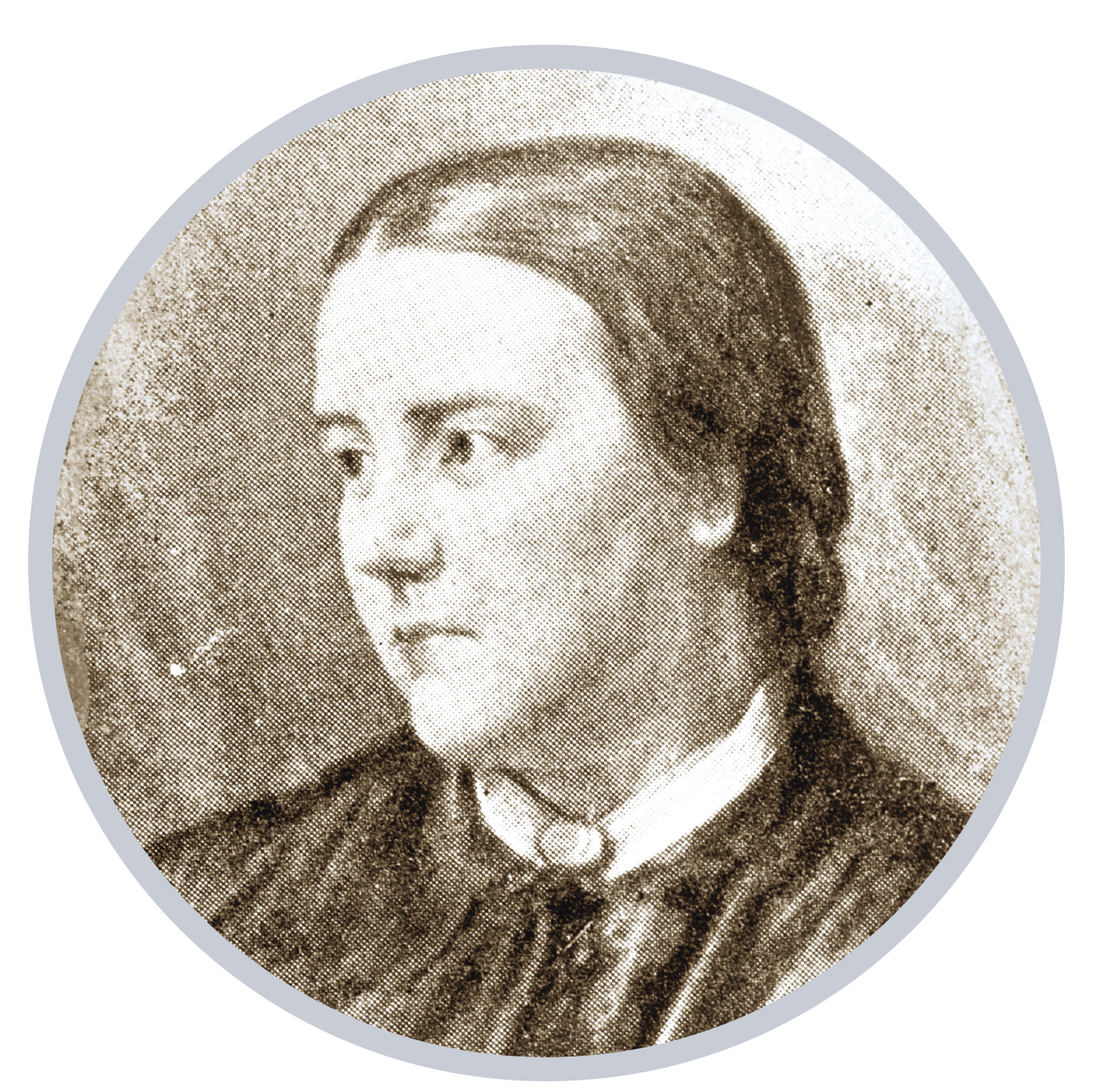
Scottish physician Dr Sophia Jex-Blake was instrumental in the progression
of women’s rights in the field of medicine. Having been refused the right to a professional medical education, Dr Jex-Blake and six other women (who became known as the ‘Edinburgh Seven’), campaigned for almost a decade for the right
for women to attend medical school and practise medicine. Finally, in 1876,
the Medical Act was passed, authorising all British medical institutions to license qualified applicants as Medical Doctors, regardless of their gender. Dr Jex-Blake
is assumed to have been in a relationship with Dr Margaret Todd, who, following
Dr Jex-Blake’s death, wrote the Life of Dr Sophia Jex-Blake (1918), detailing the struggle of women to enter the medical profession.

LGBTQ+
History Month
2024
Click on the names below to find out more about some of the LGBTQ+ community and their allies’ important contributions to healthcare and medicine.
Dr Sophia Jex-Blake
American physician Dr Alan L. Hart was a pioneer in using X-rays to detect
early-stage tuberculosis infection, ensuring that patients could promptly
begin life-saving treatment. As a result of this innovative practice, his work
is attributed to saving the lives of TB patients worldwide. Dr Hart was one of
the first people to transition from female to male, and underwent several pioneering gender confirmation surgeries.
Dr Alan L. Hart
Shane Snape was a nurse and member of the clinical team that commissioned
the UK’s first-ever purpose-built AIDS ward, the Broderip Ward at the Middlesex Hospital. Shane was himself living with HIV throughout the later years of his career but continued to act as an adviser on nursing care to other AIDS care patients at facilities in the UK. He worked as a training officer, teaching throughout London, and was also instrumental in setting up the Nurses AIDS Support Group.
Shane Snape
Christine Burns MBE is a trans healthcare activist and leading member of
the trans rights group Press for Change, who was instrumental in lobbying the
UK government to pass the Gender Recognition Act (1 July 2004). The Act
enables people to change their legally recognised sex by obtaining a Gender
Recognition Certificate (GRC), which entitles the holder to be treated for legal purposes in line with their acquired sex. In 2004, Burns was appointed as chair
of the first Department of Health working group on trans issues, the Sexual Orientation Advisory Group (SOAG), which designed and facilitated the first
UK LGBT Health Summit in 2006.
Christine Burns MBE
Dr Michael Brady was appointed as the first National Advisor for LGBT+ Health
at NHS England in 2019, with the remit of reducing LGBT+ health inequalities, improving healthcare experience, access, and outcomes for LGBT+ individuals,
and ensuring the NHS is an inclusive place to work for its LGBT+ staff. Dr Michael Brady is an HIV and Sexual Health consultant at Kings College Hospital and his work focuses on HIV transmission, primary HIV infection, new models of HIV service delivery, HIV testing and prevention strategies and PrEP. Until September 2022,
he was the Medical Director of the Terrence Higgins Trust.
Dr Michael Brady


©2024 Allen & Overy LLP
Dr Sophia
Jex-Blake
Dr Rupert Whitaker OBE is a British Consultant in Psychological Medicine and Public Health. Following the death of his partner Terrence Higgins, he co-founded the Terrence Higgins Trust and continues to be a leading advocate of reducing HIV transmission in the UK and ending the stigma of living with HIV. He also founded the Tuke Institute, which carries out health-services research to improve patient care in the UK and overseas. Dr Whitaker is also one of Europe’s longest-surviving people living with HIV.
Dr Rupert Whitaker OBE


Dr Alan L.
Hart
Dr Rupert
Whitaker
OBE
Shane
Snape
Christine
Burns MBE
Dr Michael
Brady